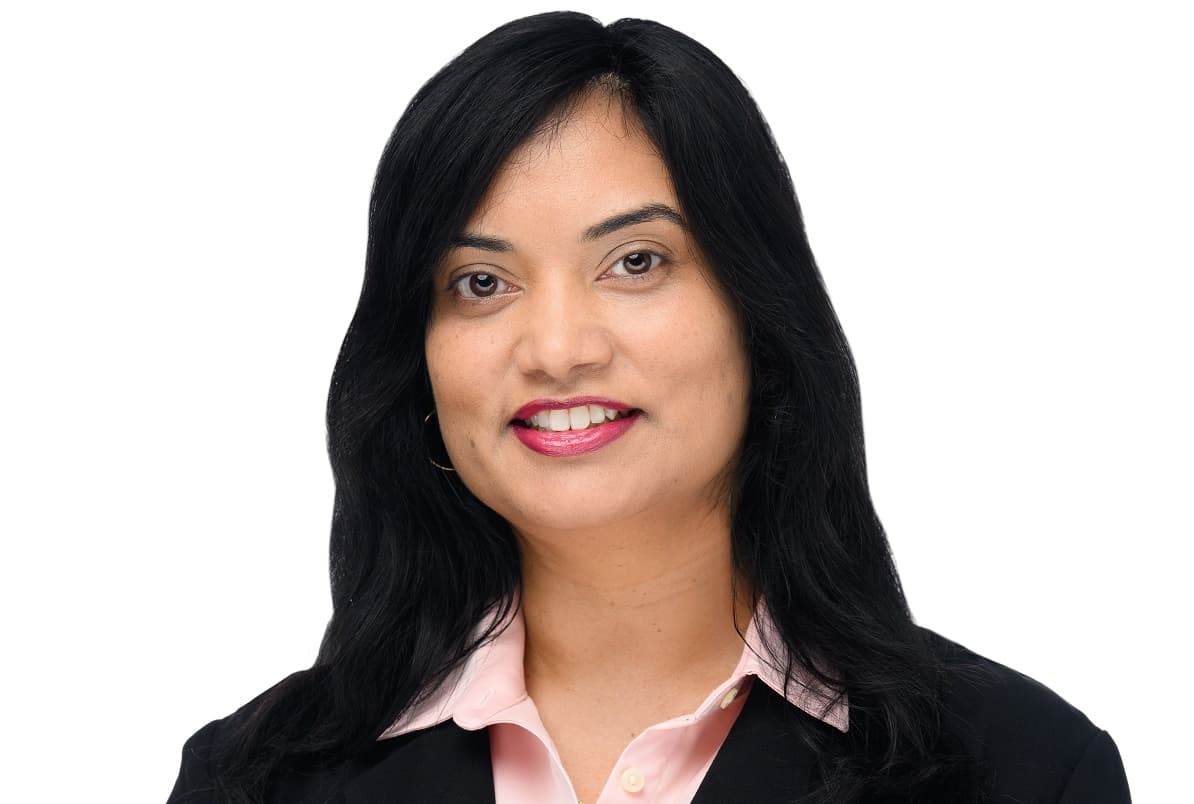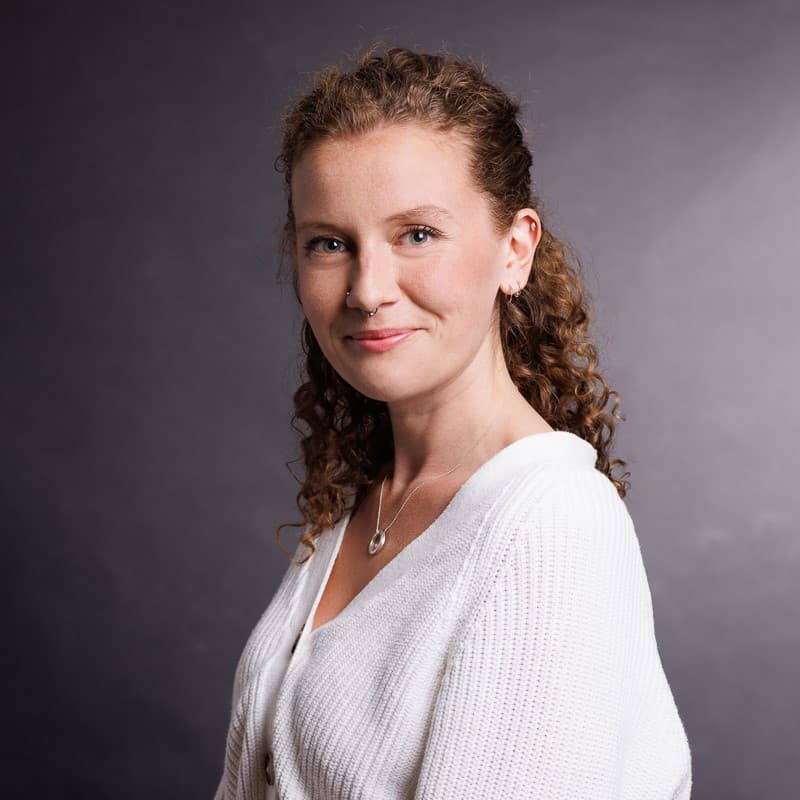
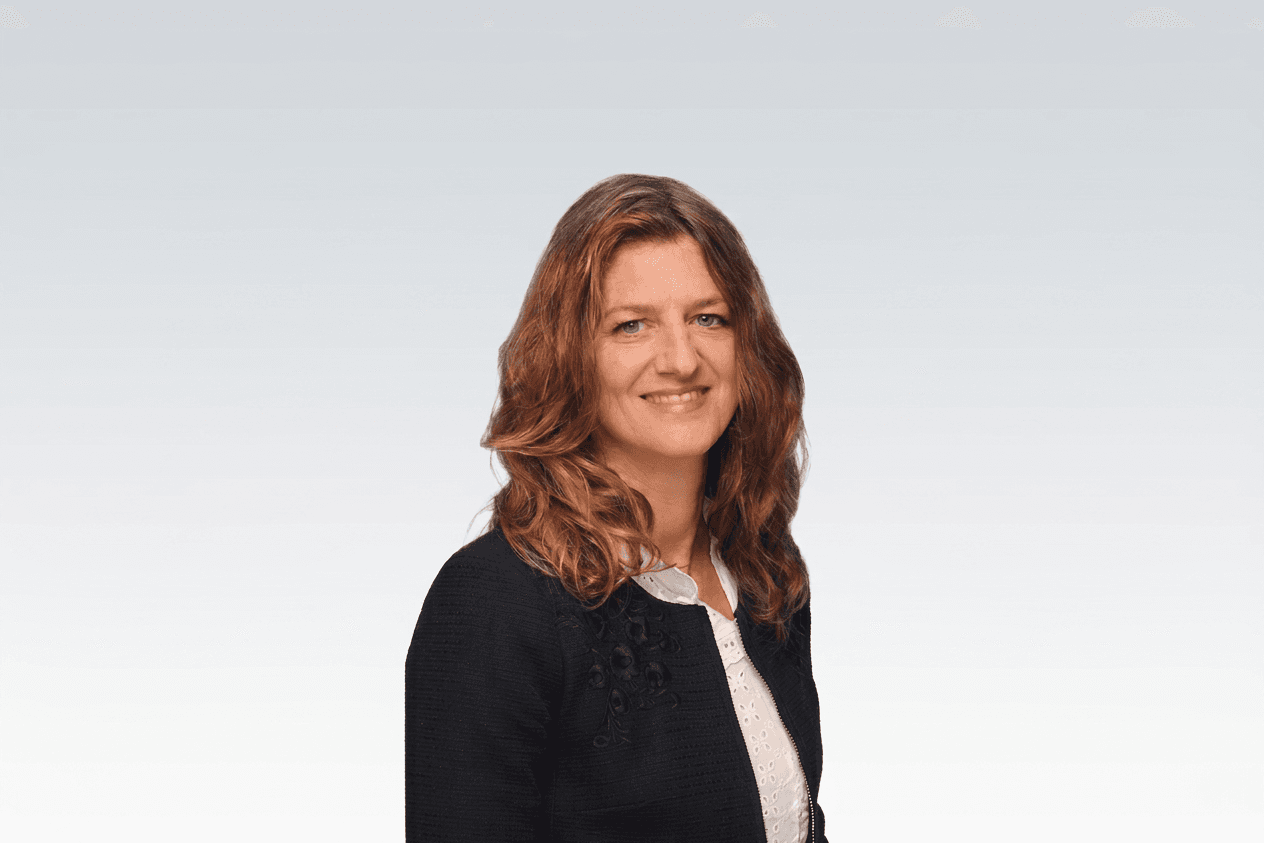
Emilie Martin is an experienced leader with extensive expertise in change management, intercultural management and the development of healthy work environments. Today, she is TELUS Health’s Managing Director in Germany.
In her role she supports companies and HR leaders in creating inclusive and psychologically safe work environments through the Anticipate, Empower, Respond framework—turning preventive insights into action and building organisational resilience.
Q: Can you tell us about your background and the main focus of your role with TELUS Health?
I am currently based in Paris, where I live with my family. But I’ve always had a strong international focus, living between Germany and France for more than 15 years. This gave me a nuanced understanding of intercultural dynamics and the different ways people approach work and private life in both countries.
I spent the early part of my career in the international communications industry, where I worked in project development and integration. In 2020, I earned an Executive MBA to specifically expand my skills in leadership, organizational development and strategic management.
At TELUS Health, my role is to ensure that what we develop truly aligns with the needs of our clients. It’s not just about saying “we’re in the business of health.” It’s about shifting how the market views holistic health and elevating its relevance within corporate culture.
My work is very much about asking: What can we offer, and what does the market actually need? What do employees need? What does a whole workforce need at different levels? My MBA helps me a lot here. In my co-hort, there were over 27 individuals from diverse backgrounds, all exploring what future leadership could look like. Combined with my international experience, I’ve been exposed to many leadership models. Now, I’m developing a leadership model focused on mental health that fits today’s working world. That’s also a key part of my role.
Q: What's your leadership philosophy, and how do you approach building and managing your team?
I see leadership as a form of coaching rather than directing. It’s not about telling people what to do but about guiding and supporting them. I’m a strong believer in healthy leadership, which is closely tied to psychological safety: something I consider essential for people to truly thrive. When people feel safe, they dare to try new things, think differently and grow. Psychological safety also means creating space for mistakes, building mutual trust and ensuring everyone understands their priorities and responsibilities. Clear expectations and shared understanding are especially important in today’s constantly changing environment. Many companies, and therefore many managers, struggle to set priorities when everything feels uncertain. Yet the more unstable the environment becomes, the more essential it is to create clarity about what truly matters.
At the same time, empathy and openness matter. And openness also includes vulnerability and showing yourself as you are. Being authentic and transparent creates connection and gives others permission to bring their full selves to work as well.
Q: What are you most passionate about in the workplace health and wellbeing space?
I’m passionate about the growing attention the topic is receiving and the changes it’s driving in the working world. We’re seeing a generational shift, and younger generations have higher, but also healthier expectations.
Many leadership teams today are older – in their mid-40s or 50s, and often holding on to outdated ideas about work and performance. Their employees, however, are younger and have a very different vision of the future of work. This creates a paradox: the people shaping today’s workplaces often don’t share the same values or expectations as the people they want to attract and retain.
For example: I’m part of the last years of Generation X, born in 1979. My sister is six years younger, and she already thinks very differently about work, leadership, and what she’s willing to compromise on. So, whose philosophy is “right”? Mine or hers? The truth is: my generation will still be working for another 20 years. If I want to enjoy my work and collaborate effectively, I need to adapt to other generations too. Otherwise, I’ll end up standing alone.
Workplace health and wellbeing shouldn’t be a marketing slogan but a genuine game changer for shaping the next generation of work. Ultimately, what drives me is creating a shared understanding of work, performance and health across generations.
Q: What's one piece of advice you'd give to other leaders looking to build strong teams? What do you wish leaders understood about the connection between their behaviour and employee mental health?
The most important thing is recognizing that not everyone works the way you do. Diversity in working styles, workflows and even working hours is essential. When leaders accept that their team members may approach tasks differently, it opens up opportunities for innovation and new perspectives.
Of course, this also means embracing cultural differences and occasional friction, but that’s exactly the kind of environment where great ideas and strong collaboration emerge. Leaders need curiosity. When you genuinely try to understand others, you learn a lot, and you build more commitment, trust and engagement within the team.
Q: What excites you most about working at TELUS Health?
Before joining TELUS Health, our Kiel location in Germany was a small company. That has its advantages, but the working world is changing so quickly that a broad range of competencies is required to keep up. Through TELUS Health, we’ve gained access to many locations with diverse strengths. Right now, we’re learning how to collaborate internationally and combine our knowledge to offer a truly holistic approach to workplace health. The network and scale of the company give us the opportunity to help shape the future of work.
I also appreciate the company’s holistic philosophy when it comes to preventive employee wellbeing: anticipate, empower and respond. When you’re struggling privately for example, it affects your sleep, your focus, your productivity. Addressing wellbeing from all angles, not just in isolated moments, is forward-thinking and incredibly valuable.
And I love the international aspect. We’re almost like an internal test zone for international services because we’re constantly learning interculturally ourselves. That helps us better understand what international clients need and where confusion can arise.
Q: Outside of work, what do you enjoy doing? How do you maintain your own health and wellbeing?
I love being surrounded by people: friends, family, the people close to me. Even though I spend my days in online meetings and on calls, I need real, in-person connection. Now that spring is coming, I’m especially excited about spontaneous get-togethers or spending time outdoors with friends.
In terms of health and wellbeing, I had a serious accident last year that really reminded me how important it is to take care of yourself regularly and to be patient. The recovery was long and often painful, but each small improvement made a difference. Sustainable change comes from small steps and persistence. Big transformations don’t happen overnight; they require time and acceptance. And perhaps resilience, too. The quiet kind that grows when life demands more of you than you expected, and you discover you’re stronger than you thought.
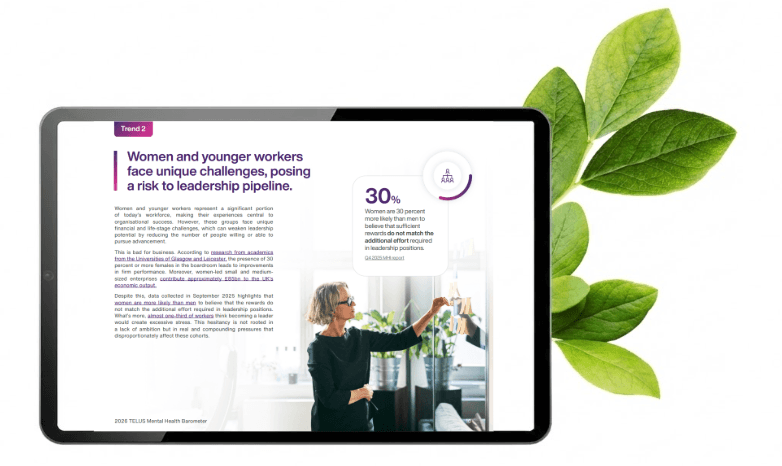
Get more on supporting employeee wellbeing.
Download the 2026 TELUS Mental Health Barometer.
Learn more