
The hardest part of service isn’t speed; it’s choosing to make it right instead of being right.
You see this every day in pension and benefits administration. Clients don’t come to us for an argument about what was requested, what was assumed, or who owns which step. They come to us for outcomes—accurate work, clear communication, and a partner who will make it right when something goes sideways.
At a leadership team dinner early in my career, my CEO told me he wouldn’t hire anyone onto his leadership team unless they had experience in a service industry, ideally food service or retail, because those environments teach you how to think about customers. His comment landed because I’d lived it.
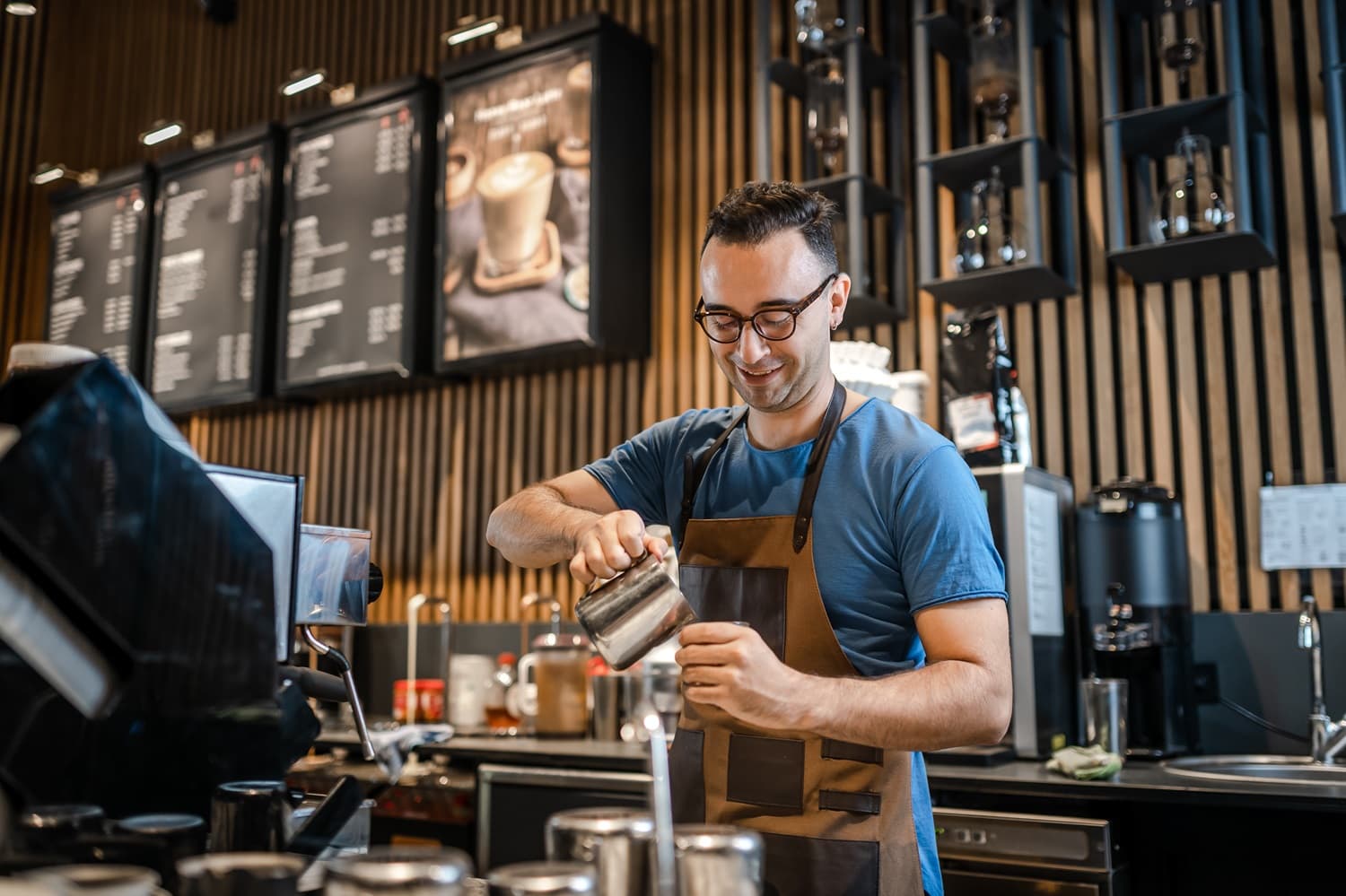
Working in a restaurant taught me almost everything I know about customer expectations, how to meet them, how to exceed them, and how to repair the relationship when we inevitably came up short.
It also taught me that good service is a choice you make, especially when things get uncomfortable.
Many years later, working in a very different service industry, I see those same restaurant dynamics everywhere. The parallels are remarkably consistent, and they can show up in three ways I’d call out.
The kitchen can't save you
In a restaurant, there is a simple reason the customer does not typically speak directly to the chef. The chef’s job is execution, designing the menu, preparing the food, and keeping the kitchen running. Pulling them into the dining room to manage expectations, answer questions, or smooth over frustration would slow everything down.
If you have ever worked in the back of a kitchen and watched a server go to bat for their table, you have seen service excellence in practice. The server owns the relationship. When something goes wrong, they do not send the customer back to the kitchen to sort it out. They make it right. The customer does not care who messed up. They care that it gets fixed.
That distinction matters most when the stakes rise, and in pension and benefits administration, the same dynamic plays out every day. When something breaks down, clients should not be responsible for managing handoffs or piecing together answers across functions. What they need is a clear point of ownership, someone who understands the full context and is accountable for the outcome.
But ownership alone is not always enough. When issues persist, expectations are missed, or trust is strained, the problem is no longer just operational. It becomes relational. And at that point, no process or escalation path can replace visible leadership.
This is where service leadership shows itself. Not in how efficiently the kitchen runs, but in who is willing to come to the table when it matters most.
The manager has to show up
When service issues move from operational to relational, leadership presence becomes the difference.
In a well-managed restaurant, that moment is easy to spot. When a problem lingers or a customer’s frustration starts to rise, the manager comes to the table. Not to override the server, but to reinforce ownership, listen directly, and signal that the issue matters. That presence changes the dynamic immediately. It sets the tone for the team and creates space for honest feedback. There is no better way to understand the customer experience than to hear it directly, especially when expectations have not been met. And when customers are choosing to spend their money with you, leadership showing up is also a way of acknowledging that choice.
The same principle applies to our industry. Clients are trusting teams with the administration of their benefits and the systems that support them. They have other options. When issues arise, especially those that test confidence or strain trust, leadership needs to spend real time with clients, not only to address what went wrong, but to understand how it felt, what was missed, being present, listening carefully, and reinforcing that accountability does not disappear when things get uncomfortable.
And this is where trust either deepens or erodes. Because presence alone is not what creates loyalty. What matters is what clients experience when leadership shows up, and whether that attention translates into action.
Why they come back
In a restaurant, loyalty is rarely abstract. Customers come back because they like the food and they appreciate the way they are treated.
All customers matter, but it would be unrealistic to say the value was identical. When a long‑standing customer had a problem, I remember that we bent over backwards to make it right. Not because the mistake was bigger, but because the relationship was. That same dynamic shows up every day in pension and benefits administration.
Long‑term client relationships matter because they create shared context. Over time, teams learn how an organization operates, what it values, and where it is heading. That understanding leads to better outcomes, stronger partnerships, and fewer surprises. But loyalty is not sustained by history alone. Service leadership means treating loyalty as something you earn again and again.
Clients do not stay loyal because you say the right things. They stay because of what you do when it matters most.
Closing
The restaurant taught me that service excellence is not about perfection. It is about intention. It is about building systems and cultures where every person, from the server to the owner, understands that choosing to make it right matters more than being right.
In pension and benefits administration, the principles do not change. In fact, the stakes are higher. We are not serving meals. We are stewarding decisions that affect people’s financial security, confidence, and futures. In those moments, service leadership is not just about experience. It is what allows benefits and retirement programs to work the way people need them to. Hire people who understand service. Lead by example when issues arise. Fix problems with grace. And never take loyalty for granted.
Do that, and you build something worth coming back to.

Retirement & Benefits Solutions
TELUS Health
Discover how we can transform the benefits and pension administration experience for your organization.
Learn more