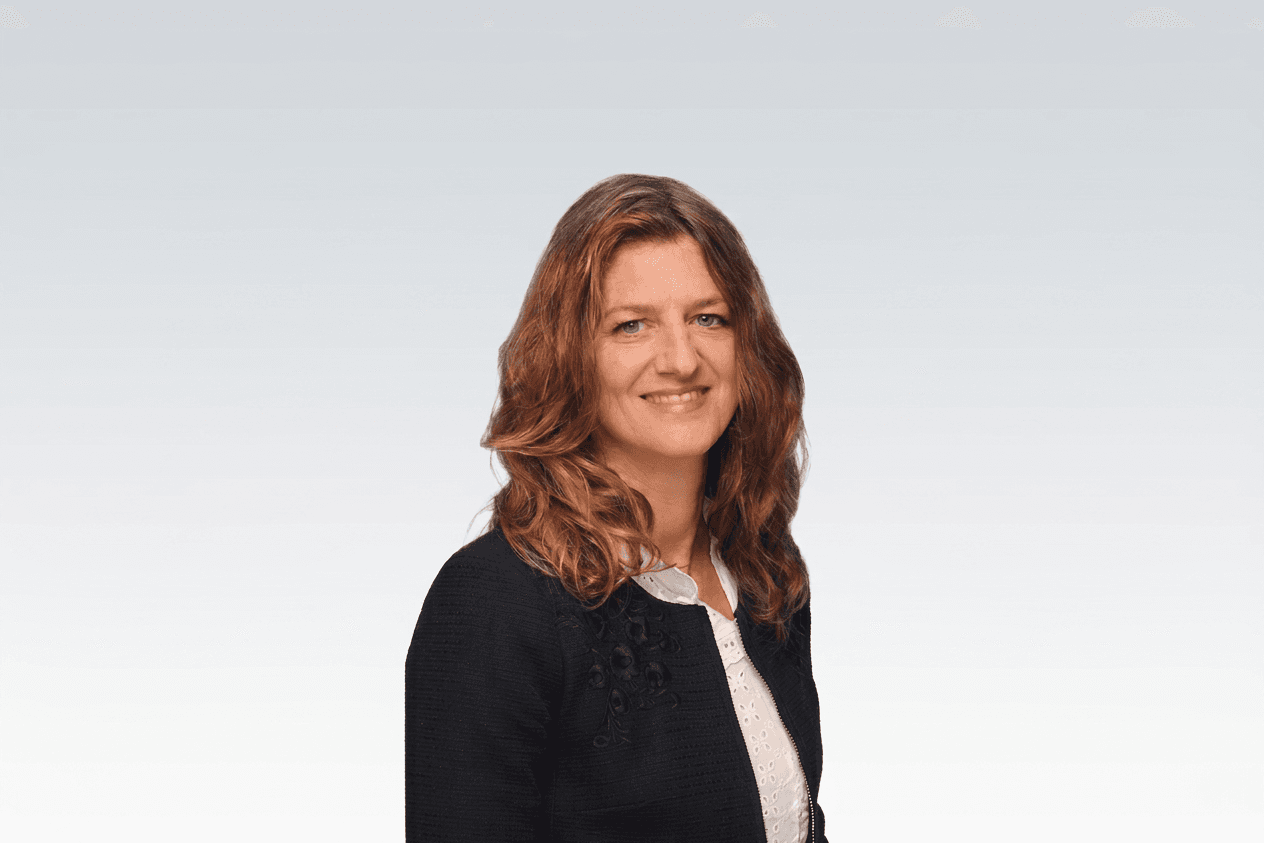
Corporate wellness programmes are employee-centered wellness solutions that support mental health and wellbeing at work. Hannah McWilliams brings the clinical experience, psychological research expertise and practical focus needed to explain what makes them effective. As Head of Learning for TELUS Health UK, she bridges academic rigour and human-centered design to create accessible, relevant support employees actually use because it feels understood and useful in real life.
For HR leaders, managers navigating employee wellbeing and anyone interested in how clinical practice connects with organisational change, Hannah’s insights show why this approach matters: it can help remove common barriers to mental health support, strengthen workplace culture and give employees a better chance to genuinely thrive.
She explores how to design better corporate wellness programmes, why access to support often breaks down, how leadership and workplace culture shape outcomes and which practical steps help build psychologically safe workplaces where people can genuinely thrive.
Can you walk us through your professional journey from therapeutic counselling to your current role as Head of Learning, TELUS Health UK? What key moments or insights shaped your transition into clinical content creation?
I started my career as a therapist in my early 20s. It was very clear I wanted to work with people, and I was also drawn to the field of mental health. It is a privilege to walk alongside individuals as a therapist and to be trusted with their innermost thoughts, feelings and struggles.
I pivoted into content writing as I loved writing, particularly about psychological wellbeing. I honed my skills on research and learned to turn complex data into easy-to-understand content for global audiences. For many years I wrote employee assistance programme (EAP) content, then switched to clinical writing, developing online therapy programmes.
Now, my role is both client facing and content delivery in a different capacity, so I really have the ideal combination of working with people, content and research. My biggest insight from the intersection of all of these is to make tools simple and clear. The most effective tools are the ones that people remember, because they are more likely to use them.
Your background bridges both academic knowledge and practical clinical experience. How do you leverage both dimensions in your work at TELUS Health, and what advantages does that dual perspective bring to employee wellbeing and corporate wellness solutions?
I bring both clinical insights from people who are struggling with mental health, burnout and stress day-to-day. Combined with research, I'm able to take complex psychological and wellness information and make it accessible and relatable, not just academically sound, but useful for employees.
At TELUS Health, this dual perspective is crucial. Corporate wellness programmes and employee wellness programmes only work if employees feel understood and see themselves in the content. My clinical experience means I know what real struggles look like, and my research background ensures the employee health and wellbeing solutions are evidence-based. Together, they help us create wellness content that employees will engage with and apply to their lives, not just another corporate checklist. A comprehensive wellness programme should support physical wellness alongside a range of mental health needs, including practical stress management support.
What formal education and certifications form the foundation of your counselling practice, and how do those qualifications inform the content and resources you develop today?
I'm a registered therapist with a diploma in therapeutic counselling. My training was very intense, experiential and life changing. We were encouraged to really embody the theory that we were taught and not just to memorise it. This can be very confronting as you have to be willing to grow and change, which at times can be uncomfortable.
I still work as a therapist and continue to grow and change through clinical supervision. I have transferred these skills into my current role as Head of Learning in the UK where I can create the best content possible, as well as facilitate a space that feels psychologically safe, so people feel brave enough to share what they are struggling with and to step towards making changes in their lives.
How do systemic workplace factors—like limited time, competing priorities, or workplace culture—prevent employees from seeking mental health support? What role do you think employers can play in removing these obstacles?
Yes, these are obvious problems, and very common. There is little point in offering wellbeing support when employees are already over‑worked, stretched, and struggling with work‑related stress and mental health concerns, especially if they cannot access the support because of time‑restrictions or a culture that does not value or encourage wellbeing. This is particularly alarming because more than 9 in 10 adults (91 per cent) experienced high or extreme levels of pressure and stress in the past year, and many either lack the time to use the services or doubt that any programme will actually address the work‑related issues they face.
Workplaces therefore need to practice what they preach: wellbeing initiatives must be genuinely aligned with company culture rather than being treated as a tick‑box exercise or a perfunctory EAP.
Under UK law, employers must ensure health, safety, and welfare; risk assessments should therefore cover any factors that affect wellbeing in the workplace. This is where workplaces need to practice what they preach and make sure wellbeing initiatives are aligned with company culture, rather than just using wellbeing programmes or EAPs as a tick box exercise. Under UK law, employers must ensure health, safety and welfare and risk assessments should cover factors affecting wellbeing in the workplace.
I believe employers should embed education into a comprehensive wellbeing strategy, both educating employees about mental health resources and identifying their own organisational barriers. Measuring wellbeing outcomes over time allows programmes to be refined and proven effective.
Many people remain unaware of mental health issues simply because they have never been taught what signs to look for or how to address them. Practical steps include, but are not limited to, managing workloads and setting realistic deadlines so staff have the time to use support services.
Training line managers to recognise stress, hold sensitive conversations, and direct employees to the right resources.
Fostering a culture where seeking help is normalised and not stigmatised, for example, by sharing leadership stories of using the EAP.
When leaders actively champion the wellbeing initiatives, employee engagement rises and a supportive culture forms.
Walk us through a typical day or week in your role. What does your time look like, and how do you balance clinical expertise with content creation and learning strategy?
A typical week could look like building the UK strategy to delivering workshops to clients. My time is divided into creating content for clients, training facilitators, developing e-learning content, building relationships with stakeholders and hosting webinars on mental health. Each day is very different and very varied! I balance it all through knowing my own limitations and having a great manager who gives me clear expectations and priorities.
From your clinical background, what's one misconception about workplace wellbeing and mental health in the workplace that you wish more leaders understood?
You cannot flourish in a toxic system. A holistic approach to workplace wellbeing is necessary because a successful corporate wellness must address mental health, financial wellbeing, physical health and social wellbeing together, and not as isolated issues.
Many leaders have the best intentions and desire for their teams to be well but are often restricted by their own limitations from leadership that is often out of their hands. For example, a manager might want to offer flexible work arrangements to improve work-life balance for remote workers and employees managing commitments in their personal life, but corporate policies prevent it, so even with the best wellness programmes, employees are still in an environment where they can't thrive.
Physical wellbeing matters too: physical wellbeing initiatives promote regular movement and ergonomic workstations. This is important since over 500,000 workers reported suffering from a work-related musculoskeletal disorder in 2024/2025, accounting for over 7 million working days lost in one year.
Strong wellness efforts can also help strengthen workplace culture, foster teamwork and help create a more engaged workforce. Organisations with wellbeing programmes see an ROI of £5 for every £1 spent, and according to Benefits Canada, 89 per cent of employees who are plan members, report that their workplace successfully supports their mental health, when they perceive that wellness culture is deeply embedded.
How do you support your own wellbeing?
It depends on what I need.
Sometimes I need to be around loved ones and friends and have fun and be spontaneous. Other times I need quiet time alone in nature. I just like being around relaxed people who can enjoy themselves and are kind.
Other things I do to keep ‘well’ are to eat, sleep and exercise. I try to live aligned to my values. This is important because it doesn’t matter what self-care you are practising if you are not living up to your personal values.

Get more insights
Learn more with Hannah about building mentally healthy leaders and workplace cultures.
Watch the webinar
Jenna Avella
Copywriter & Senior Marketing Manager at TELUS Health
About the author
Jenna Avella is a Senior Marketing Manager at TELUS Health, specializing in data-driven health and wellness communications designed to help empower organizations and their workforce. With over a decade of professional editorial experience across high-growth health, lifestyle, culture and tech, she brings deep expertise in converting complex health concepts into actionable workplace solutions—from employee assistance programs (EAP) to total wellbeing strategies. Jenna is a graduate from McMaster University and has established a robust track record writing authority-building content for industry-leading health platforms. Her writing focuses on employee wellbeing and mental health and organizational wellness, driving thought leadership across TELUS Health's resource ecosystem.